Fish processing is an essential part of the fishing industry, where the catch is transformed into various products such as fillets, steaks, and canned goods. One critical step in fish processing is batching, where fish are grouped together based on specific criteria, such as species, size, and quality. Efficient fish batching is vital to maximize yield, reduce waste, and ensure product quality. The Batch Lady, a well-known meal prep expert, streamlines fish batching to prepare multiple meals efficiently, making it easier to enjoy dishes like beer battered fish, fried fish, and seafood specialties with minimal effort. In this blog post, we will compare different approaches to fish batching and highlight their benefits and drawbacks.
When exploring different recipes and flavors, choosing the best fish for frying or making fish and chips is important – look for varieties with great flavor, firm texture, and the ability to stay crispy after cooking.
Classic dishes often serve fish with traditional sides like chips, fries, peas, and potatoes to create a complete and satisfying meal.
Introduction to Fish Batching
Fish batching is a smart and efficient way to prepare a variety of delicious meals in advance, making it easier to enjoy healthy, flavorful dishes throughout the week. By cooking fish in bulk – whether you’re working with fresh or frozen fish like cod fillets or salmon fillet – you can save time, reduce food waste, and experiment with different recipes and flavors. From classic beer batter recipes to light, oven-baked options, batching allows you to explore a range of dishes, such as beer battered fish, fried fish, and seafood specialties. With the right tools, like an air fryer or deep fryer, and a reliable beer batter, anyone can master the art of fish batching and enjoy restaurant-quality meals at home.
Fish Batch Size and Planning
When it comes to planning your fish batch, it’s important to think about how many meals you want to prepare and the type of fish you’ll be using. A good guideline is to cook 1-2 pounds of fish for every 4-6 meals, adjusting based on your preferred serving sizes. For example, a batch of cod fillets can easily be transformed into 10 meals in just an hour, as demonstrated by The Batch Lady’s efficient meal prep strategies. To streamline your batching process, create a detailed shopping list that includes essentials like fresh dill, olive oil, and a quality beer batter mix. By planning ahead and factoring in cooking times and storage needs, you can whip up a variety of dishes – think beer battered fish, crispy fried fish, and other seafood recipe – ensuring you always have a tasty meal ready to go.
Batching frozen fish by weight
Batching by weight is commonly used in fish processing factories as a way to efficiently gather and process fish. In a fish processing factory, fish are typically harvested in large quantities and brought to the factory in batches. Once at the factory, the fish are sorted based on their weight and size – that’s called grading. After that fish are batched in portions of equal weight or in other words batched by weight. The portions can be different and adapted to specific needs, such as in 5, 10, or 20 kg or any other weight batches, as needed. Sometimes, for portion control or specific processing requirements, a batch may be divided in half to ensure equal distribution or to meet particular specifications. Because the fish are already sorted in the same weight batches, they can be processed more quickly and efficiently. This can result in cost savings and improved productivity.
But what are the pros of batching by weight:
- Better quality control – fish batches are more consistent in size, which is important for maintaining product quality.
- Improved yield – it can help fishermen target larger fish, which may have a higher market value, resulting in a higher yield.
- Cost-effective – batching by weight allows for a more streamlined process, which can result in cost savings.
- Precision – weighing ensures that the batch is measured accurately by weight, providing precise data for reporting and analysis.
But on the other hand, there are some cons:
- Limited to certain types of fish – typically only suitable for fish that are sold by weight, such as tuna and salmon.
- Requires specialized equipment, which can be expensive and add an additional layer of complexity to the fishing process.
- Can be time-consuming as weighing fish takes time, especially when handling a large number of fish, which may impact the overall efficiency of the fishing process.
Batching cod fillets by volume
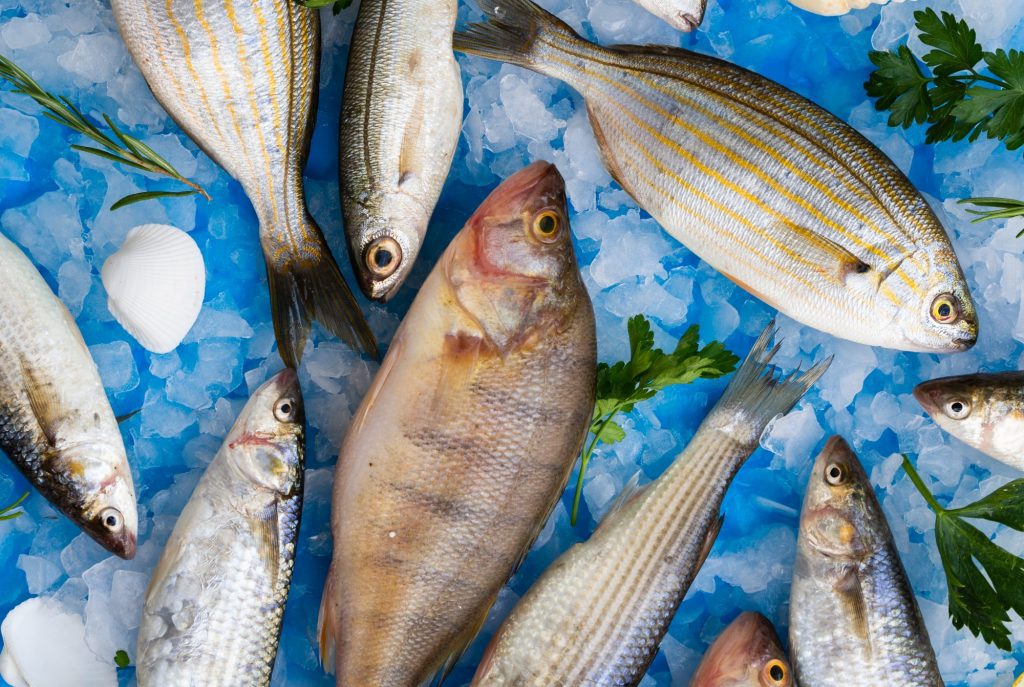
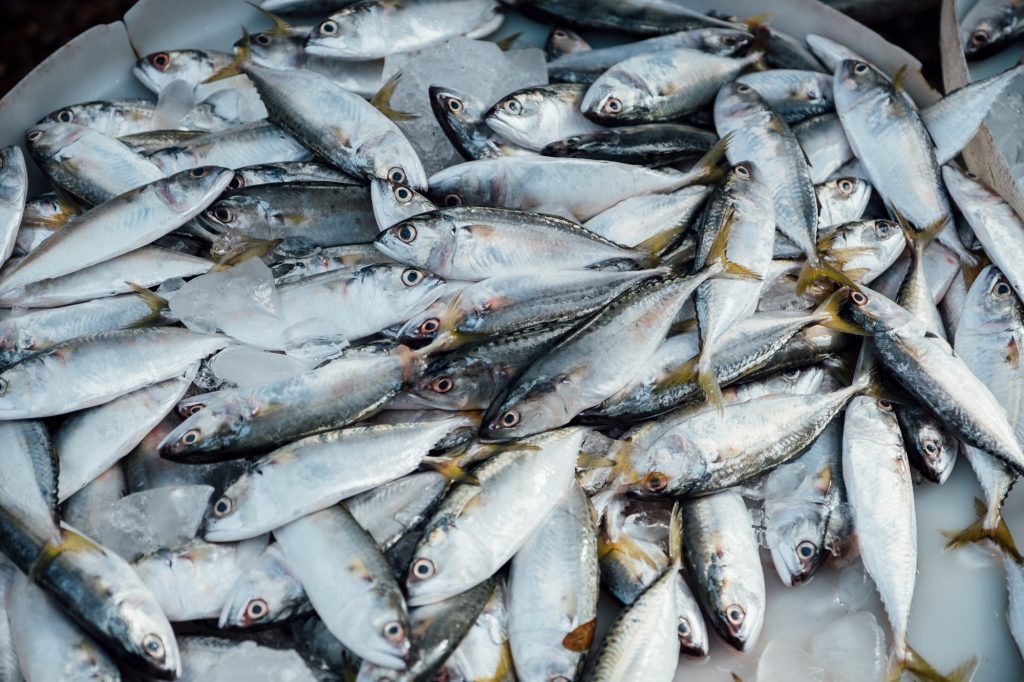
Fish processing factories sometimes sort and process fish using volume batching. Fish are measured by volume instead of weight. Fish bins batch by volume, and large bins are filled with fish to a certain level. This level determines the bin’s fish count for batching and processing. Fish processing factories benefit from volume batching. It is cheaper than weighing fish. Without expensive equipment, volume measurements can be made quickly. Batching by volume can also sort hard-to-weigh fish like small or irregularly shaped ones. Volume batching has drawbacks as well. Fish weighing may be more accurate, because fish in a container may not be evenly distributed, making it difficult to determine its volume. This may affect batching consistency and product quality.
Source: Freepik
Batching by count
Batching by count is another method used in fish processing factories to sort and process fish. This method involves counting the number of individual fish and sorting them accordingly. This is often used for smaller fish, such as sardines or anchovies, which can be difficult to weigh accurately. Batching by count involves using a machine or manual counting process to determine the number of fish in each batch. The batches can then be sorted based on the desired criteria, such as size or species. One advantage of batching by count is that it can be a very accurate method of sorting fish, particularly for small or irregularly shaped fish. Additionally, it can be a useful method for sorting fish that are sensitive to handling, as the fish can be gently sorted and counted without causing damage. However, there are also some disadvantages – it can be a more time-consuming method than weighing or batching by volume, as each fish must be counted individually. Additionally, it may not be as cost-effective as other methods, particularly for larger fish or operations that require high volumes of fish to be processed.
Fish Batching Equipment and Tools
Having the right equipment and tools is key to successful fish batching. Start with a large bowl for mixing your batter and a separate bowl for coating your fish fillets with flour or seasonings. After frying, a wire rack or cooling rack is perfect for draining excess oil and keeping your fried fish crispy, while a paper towel-lined plate helps absorb any remaining moisture. For frying, both deep fryers and air fryers deliver evenly cooked, golden brown results, while a baking sheet or oven-safe dish is essential for oven-baked fish. Don’t forget to store your cooked fish in airtight containers in the fridge or freezer to keep it fresh and ready for your next meal. With these tools on hand, you’ll be set up for efficient, mess-free fish batching every time.
Fish Batching Safety Precautions
Safety is paramount when batching fish, especially when working with hot oil and raw seafood. Always wash your hands thoroughly before and after handling fish, and make sure to cook your fish to the recommended internal temperature to ensure it’s safe to eat. When frying, use a thermometer to monitor the oil temperature and never leave hot oil unattended. Once your fish is cooked, store it promptly in airtight containers or zip-top bags, labeling and dating each batch for easy tracking. By following these safety precautions, you can enjoy your cooked fish with confidence, knowing you’ve minimized the risk of foodborne illness and kitchen accidents.
Efficient Fish Batching Tips
To get the most out of your fish batching sessions, keep these efficiency tips in mind. Choose a versatile beer batter recipe that works for both fish and chicken, so you can batch-cook multiple proteins at once. Experiment with different seasonings – like salt, pepper, garlic, and fresh herbs – to keep your dishes exciting and full of flavor. Don’t hesitate to try new combinations, such as beer battered fish with tartar sauce or fried fish with a squeeze of lemon and a sprinkle of fresh dill. Embrace batch cooking methods, like The Batch Lady’s approach, to prepare up to 10 meals in just an hour. With the right recipes, equipment, and a little creativity, you’ll enjoy delicious, crispy fish dishes all week long.
PERUZA Full Speed Batcher
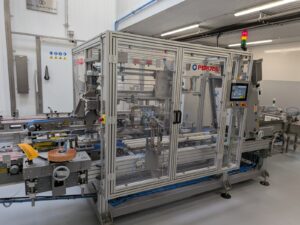
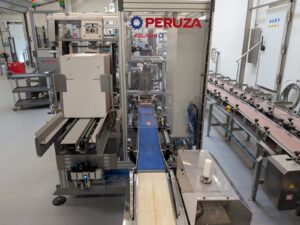
The Fish weight batching line is a cutting-edge solution designed to meet the needs of flexible amount batching at high speeds and capacity. This equipment can be used for a wide range of products, including all kinds of fish, meat, vegetables, and any other item that needs to be packed at a predetermined weight. The process is simple yet efficient. The product is filled in the hopper tank, and modular chains ensure the safe transport of the product to the batching area. The infeed area is adjustable to accommodate different types of products.
The dosing unit is easily adjustable to handle different batch sizes and products. Horizontal product distribution ensures that the product remains intact, and precise dosing of the product is achieved. With a smart solution, the PERUZA weight batching line ensures a repeatable batch size with the precision of 1-2 product pieces overweight. The discharge zone conveyor ensures that the full dose is discharged into the designated pack. The changeable discharge chutes allow for multi-type packaging style usage in the production process, providing even more flexibility to the line. The Fish weight batching line can be implemented with automatic carton box folding equipment and a full box robotic palletizing system. This provides a complete solution that streamlines the entire process from start to finish, ensuring maximum efficiency and productivity.
Main benefits:
- Can be used for different types of fishes, also smaller ones like baltic herrings and sardines;
- Can reach up to 24 batches per minute;
- Maximum of 2 fish overweight;
- No damage is done to the product;
- Easy programmable and changeable batches;
- The reporting system for managers;
- Batches up to 20 kg;
- One machine to run several products;
- It’s easy to combine into full processing line.
To sum up
In conclusion, efficient fish batching is a crucial step in fish processing that can significantly impact a company’s profitability and product quality. While manual batching is the traditional approach, advances in automation and machine learning have resulted in more accurate and efficient methods. These approaches offer many benefits, including increased processing speed, reduced labor requirements, and improved sorting accuracy.
As robotics, automation, and machinery develop, you must look into the best possible solutions now. If you’re interested in learning more about how PERUZA can help you get the best results with your food processing, feel free to get in touch at info@peruza.com, and we’ll be happy to discuss the possibilities of us creating something great for your fish processing business!